
Financial results disappoint, shareholders demand better performance, and boards decide to replace the creative director. It is a visible response, although it will take time to know whether it does any good. Meanwhile, a new direction is announced, with fresh promises and further investment. I wonder whether, in all this haste, enough attention is being paid to why things went wrong. A rushed decision can make a difficult situation worse, leaving the successor with the same problems and less time to solve them.
Before blaming the collection for everything, I would also look at prices, distribution and the expectations of those who approved the project. Whoever appoints a creative director should have a reasonably clear idea of the direction they want to take. Success elsewhere offers no guarantee of repeating it: the customers are different, as are the company’s structure and the moment when a collection reaches the public. It may be the right designer at the wrong brand. If the company starts over again soon afterward, some questions ought to concern the original appointment too. And when this happens repeatedly, perhaps an organizational review should extend to those making the appointments. That would be a reasonable way to share responsibility.
Meanwhile, the clothes have yet to reach the boutiques. Their designer has left, the successor is already being discussed, and attention shifts to the next debut. The collection just shown must find its buyers while the brand prepares the public to appreciate something different. The work retains its value, but it risks losing the backing of the very company that should be supporting it through to the sale.
I try to see it from the customer’s side. They liked the cut of a jacket, the way a coat hangs, the proportions they feel comfortable wearing. That is part of what brings them back to the store. They may welcome an evolution without wanting to begin all over again every time. A relationship with a brand is built through purchases that have lived up to expectations and clothes people enjoy wearing. A change of direction affects that experience: some will embrace the new collection, while others will look elsewhere for what they used to find there. This, too, should carry weight in the decision.
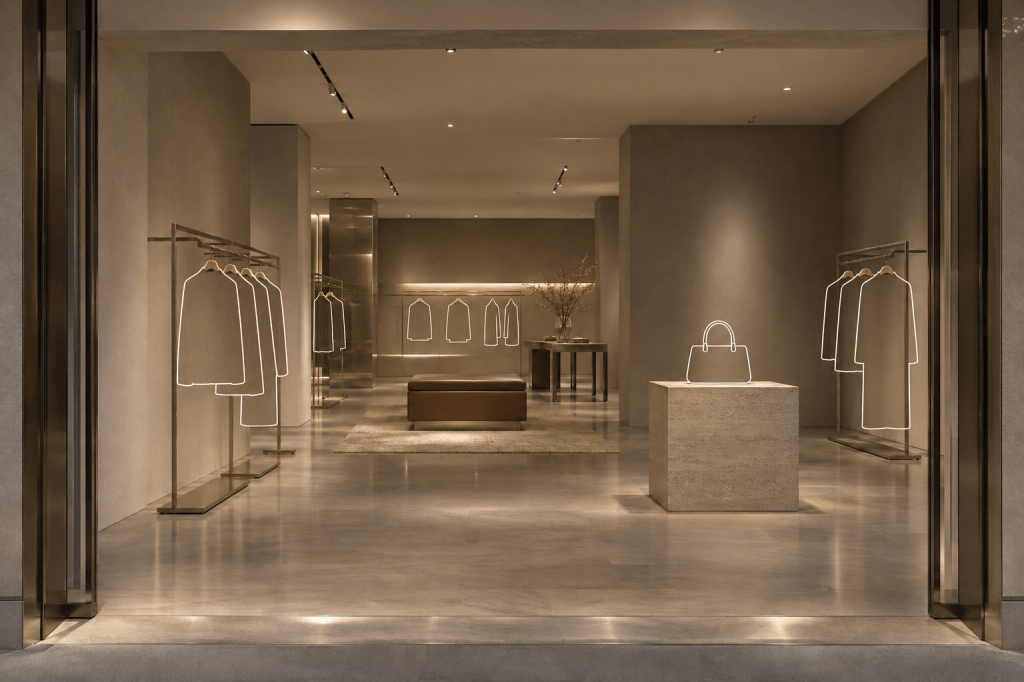
The change extends well beyond the collection. A creative vision can shape the interiors of the boutiques, their materials, the colors of the walls and the way the product is displayed. Advertising changes its language as well, presenting a different idea of the brand. Customers have to get to know it, understand it and decide whether it feels right for them. If a new creative director arrives in the meantime, that process is interrupted: different clothes, a different atmosphere in the stores, another story. There is barely time to become familiar with one approach before the next demands attention. The same name above the door ends up offering experiences in which continuity becomes difficult to find.
That sense of disorientation can prove costly. Being able to afford luxury does not mean being willing to buy whatever is offered, still less to make yourself like it because it carries a prestigious name. If someone finds the clothes awkward, far removed from their taste, or too much like what they remember in their mother’s, aunt’s or grandmother’s wardrobe, why should they want them? A reference to the past may arouse curiosity; a garment may be fun to wear once or twice. Building a wardrobe around it is another matter: not everyone wants to dress like earlier generations, especially at those prices. A customer can choose another brand, or spend the money on a trip that gives them greater satisfaction.
A replacement may be necessary. What I find harder to understand is the need to make everything that came before it seem inadequate. We hear about rediscovering identity and rekindling desire. Yet stores have ordered that collection, invested in it and must sell it at full price. They are asked to support it with conviction while the brand’s story is already focused on the next one.
Before making another change, a company ought to understand what it wants to put right and how much of the problem really lies with the design team. Every fresh start takes resources and asks the public for attention and trust. After a while, however, the customer may tire of starting over and stop waiting for the next debut.

Contacts


