
Today, September 28, Milan Fashion Week Spring/Summer 2027 officially comes to a close. The major shows are over, and the final day leaves room above all for digital. After seven days and 203 appointments — 61 shows, 88 presentations and 54 events — the question is no longer just what we saw on the runway, but what remains in Milan once the lights go out.
A first figure concerns the city’s power of attraction. Confcommercio Milano estimated almost 141,000 visitors, with a 22% rise in foreign visitors, and an economic impact of €219.5 million: €100.8 million in shopping, €85.4 million in hospitality and dining, and €32.9 million in transport. Significant numbers, even if 8% lower than in September 2025, showing how Fashion Week involves hotels, restaurants, shops, transport and services, well beyond the perimeter of the fashion houses.
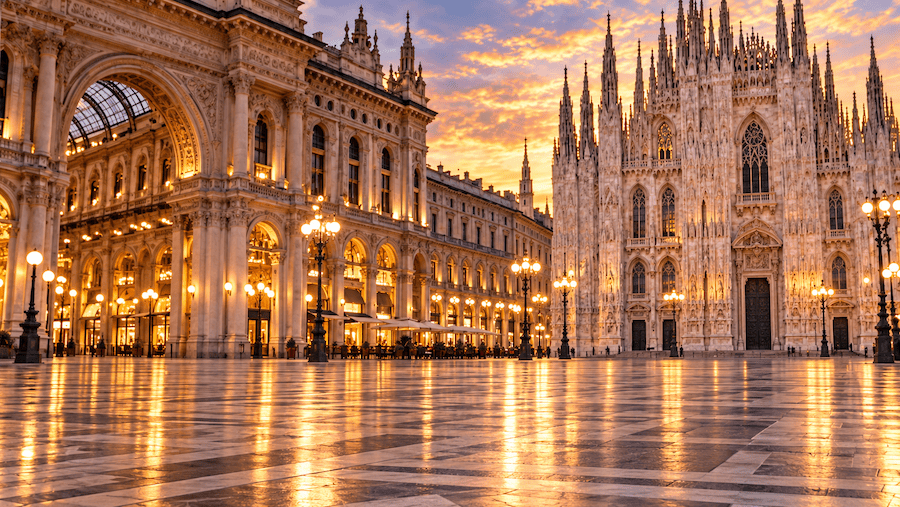
Within this week, Vogue World: Milan was one of the moments of greatest international exposure. The Galleria Vittorio Emanuele II brought together fashion, entertainment, craftsmanship, technology, major maisons and international figures, turning the center of Milan into a global stage for one evening. An event of this scale strengthens the appeal of Fashion Week and the activity surrounding hospitality, dining, transport and shopping. But Vogue World also left something very concrete behind: the fundraising reached $3 million, about €2.65 million, earmarked for the renovation and expansion of the Quarto Oggiaro Library.
Then there are the contacts, the business relationships, the buyers, the international press, millions of images shared around the world and the orders that will continue to be finalized in the showrooms. As we already noted when discussing the positive sentiment expressed by buyers, approval is a first signal. The next step will be to understand how much of it will translate into purchases, and therefore into production.
And this is exactly where institutions should open a reflection. Not only celebrating attendance and visibility, but gathering and analyzing the results: hotel occupancy, dining, shopping, orders, buyers’ countries of origin and the impact on the supply chain. Understanding what worked and where to intervene can turn a week of enormous international exposure into an even more effective tool to support the sector.
Because behind the major fashion houses there is a supply chain made of weaving mills, garment makers, leather goods makers, shoe factories, workshops, artisans, pattern makers, logistics and thousands of small and medium-sized enterprises. This is where Made in Italy generates skills, employment and exports. Fashion Week can become even more of an opportunity to bring international buyers closer to production districts, to support the internationalization of SMEs, training and innovation, and to strengthen the link between runway, market and manufacturing.
Milan has shown once again that it can attract the world. The challenge now is to understand how to turn this attention into value that is ever more widely shared across the city and the entire Italian supply chain.
The runways go dark, but this is exactly when the most interesting work begins: measuring what this week has produced and turning it into growth. Because a Fashion Week is not measured only when it turns the lights on, but also by what it leaves behind when they go out.
–
–

Alessandro Sicuro
Brand Strategist | Photographer | Art Director | Project Manager
Alessandro Sicuro Comunication


