
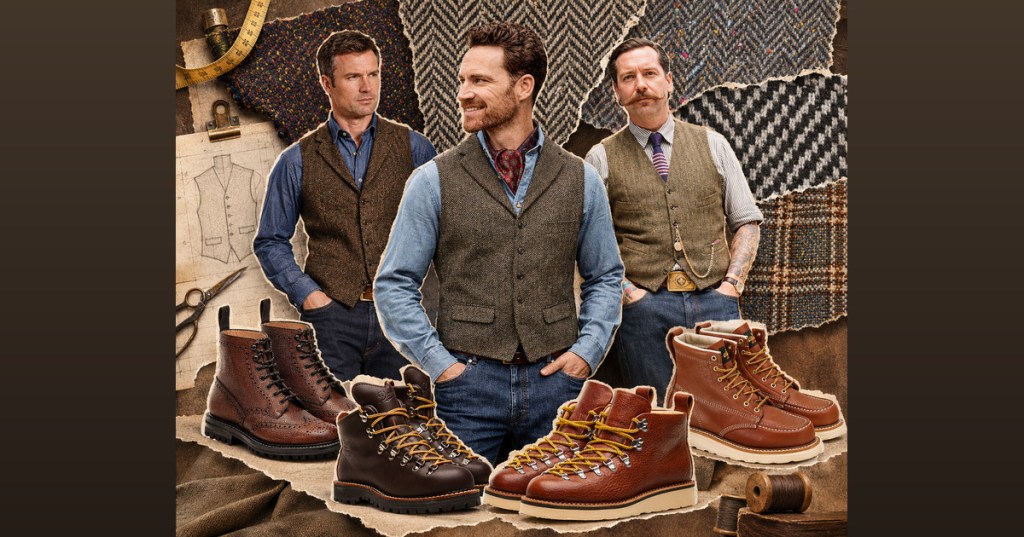
From velvet and tartan to herringbone and woolen flannel, traditional fabrics are finding their way back into contemporary fashion, including American heritage and workwear.
The fall/winter 2026–2027 collections bring textile culture back into focus. Velvet, Scottish tartan, herringbone, tweed, woolen flannel and Prince of Wales checks are returning to both men’s and women’s wardrobes, with new proportions and less formal combinations than in the past.
As the holiday season approaches, smooth velvet returns to eveningwear, particularly in bottle green, burgundy, tobacco and midnight blue. Satin finishes the lapels of dinner jackets, while corduroy lends itself to sport coats, trousers and daytime outerwear.
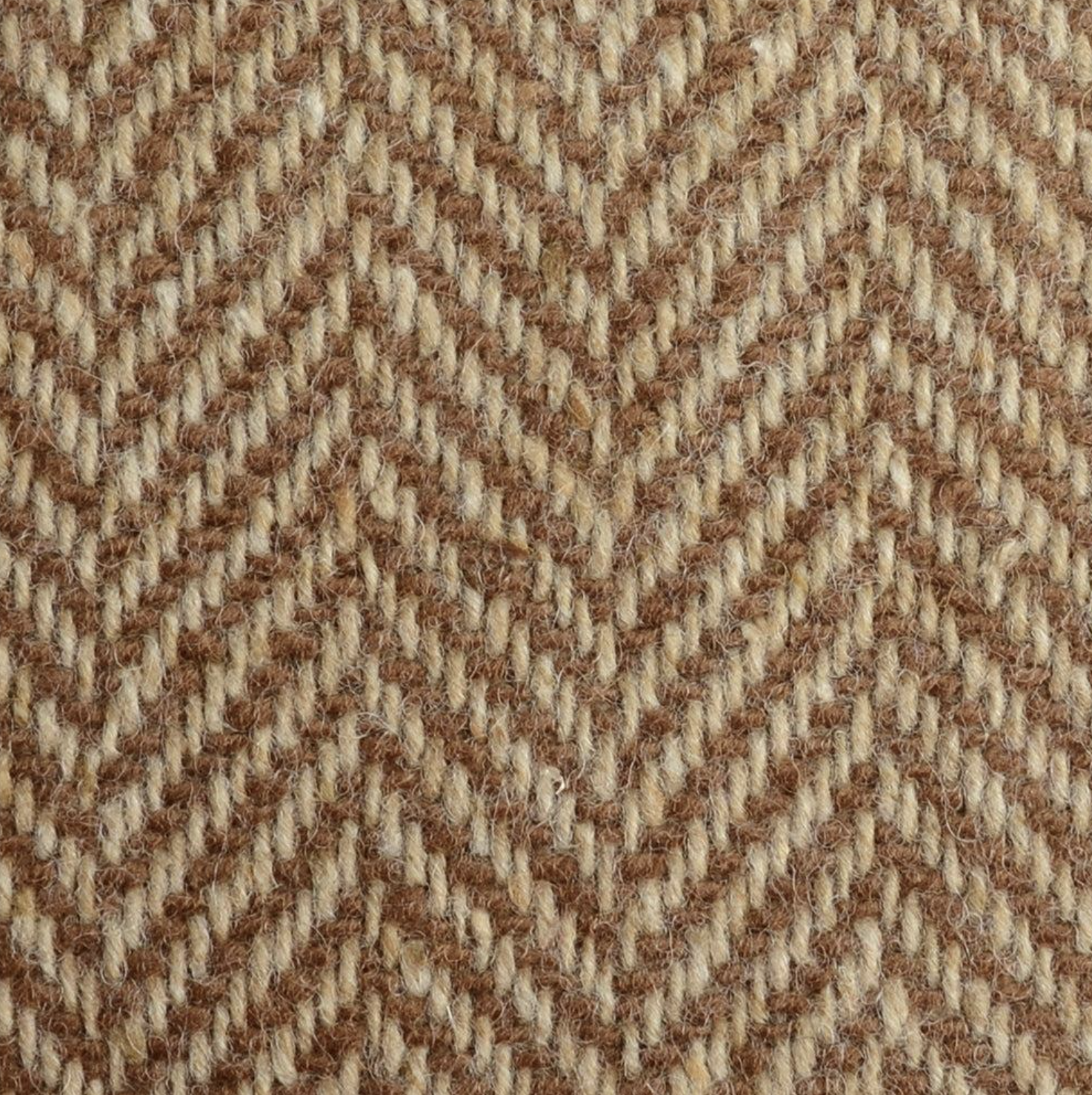
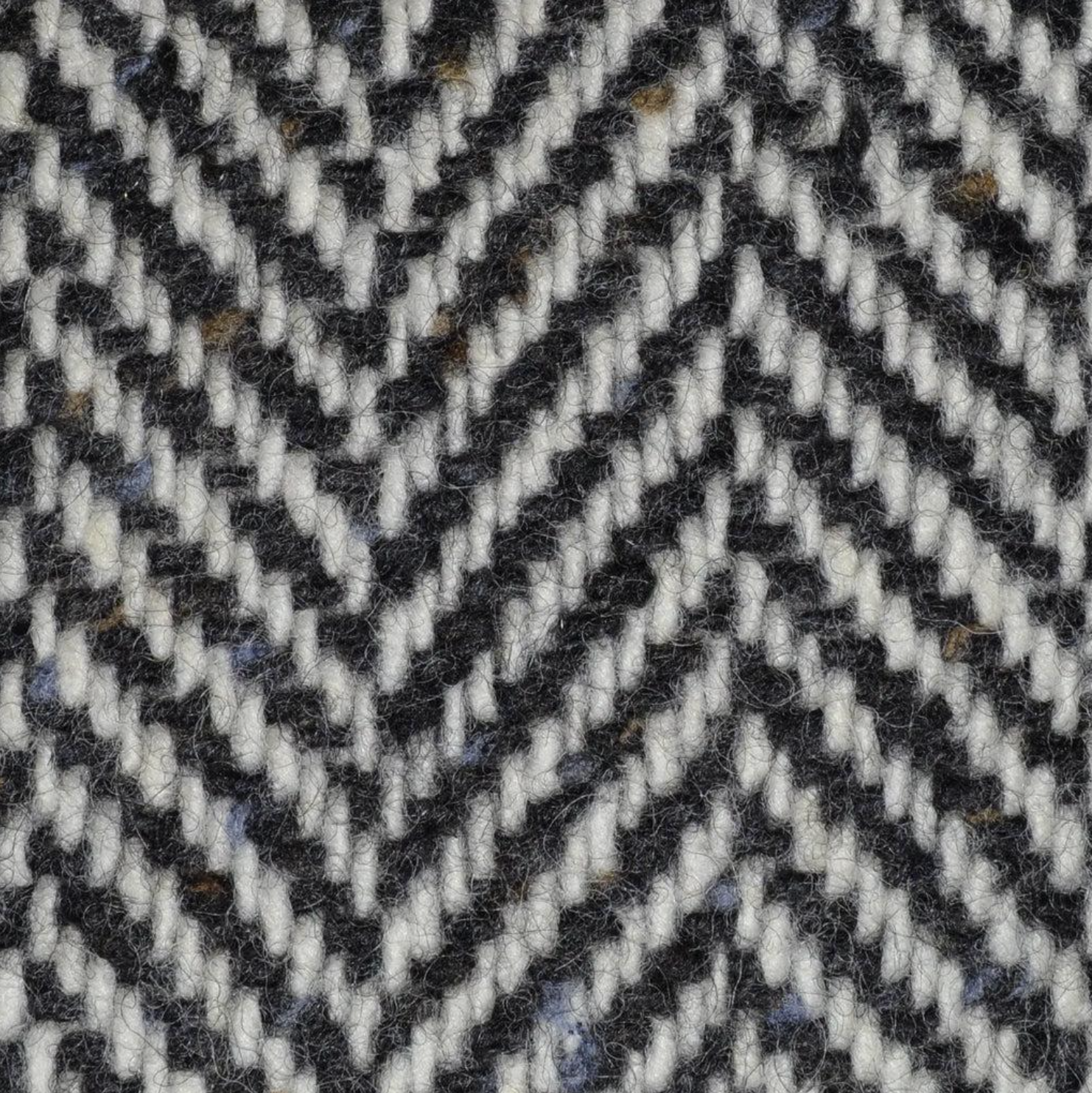
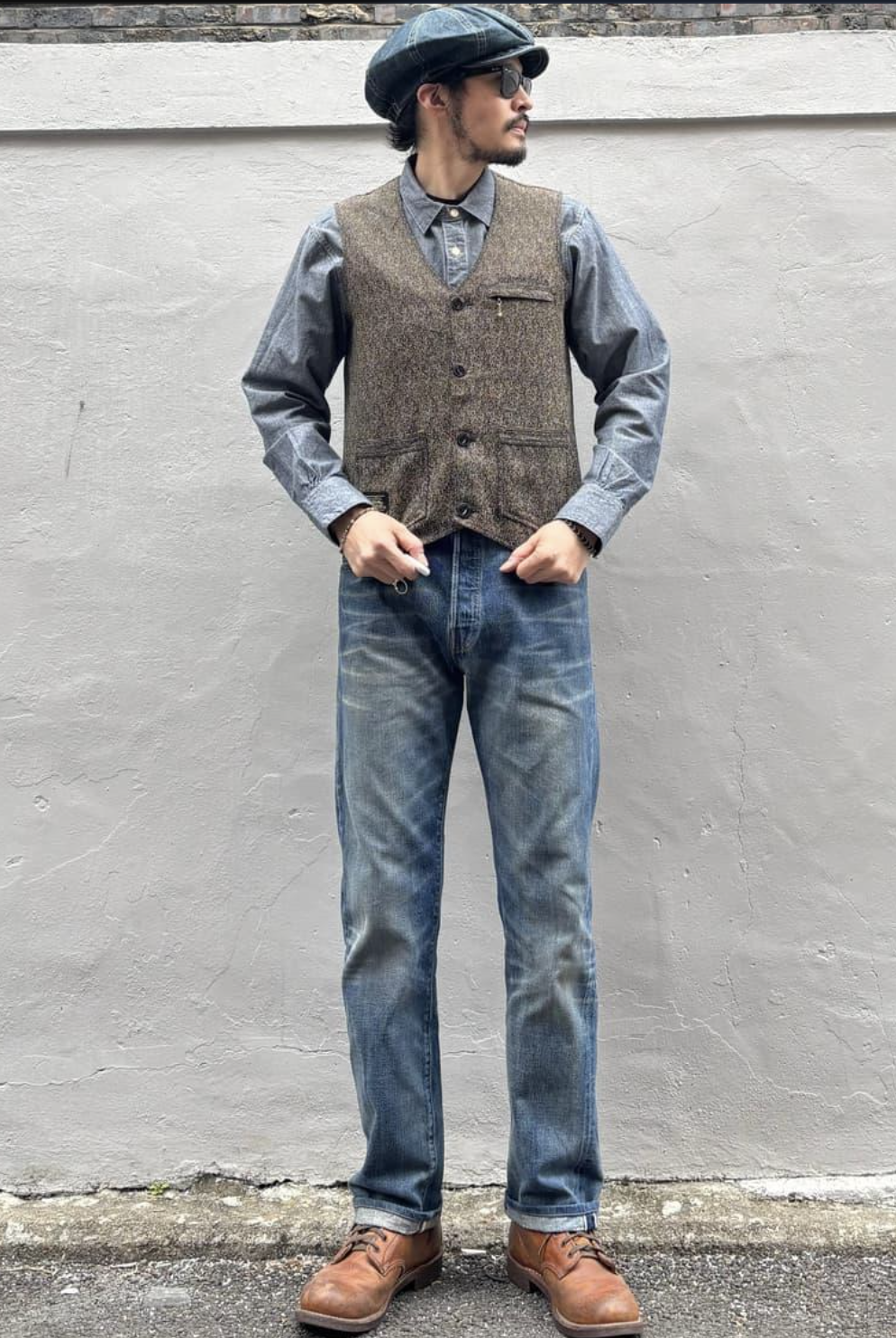
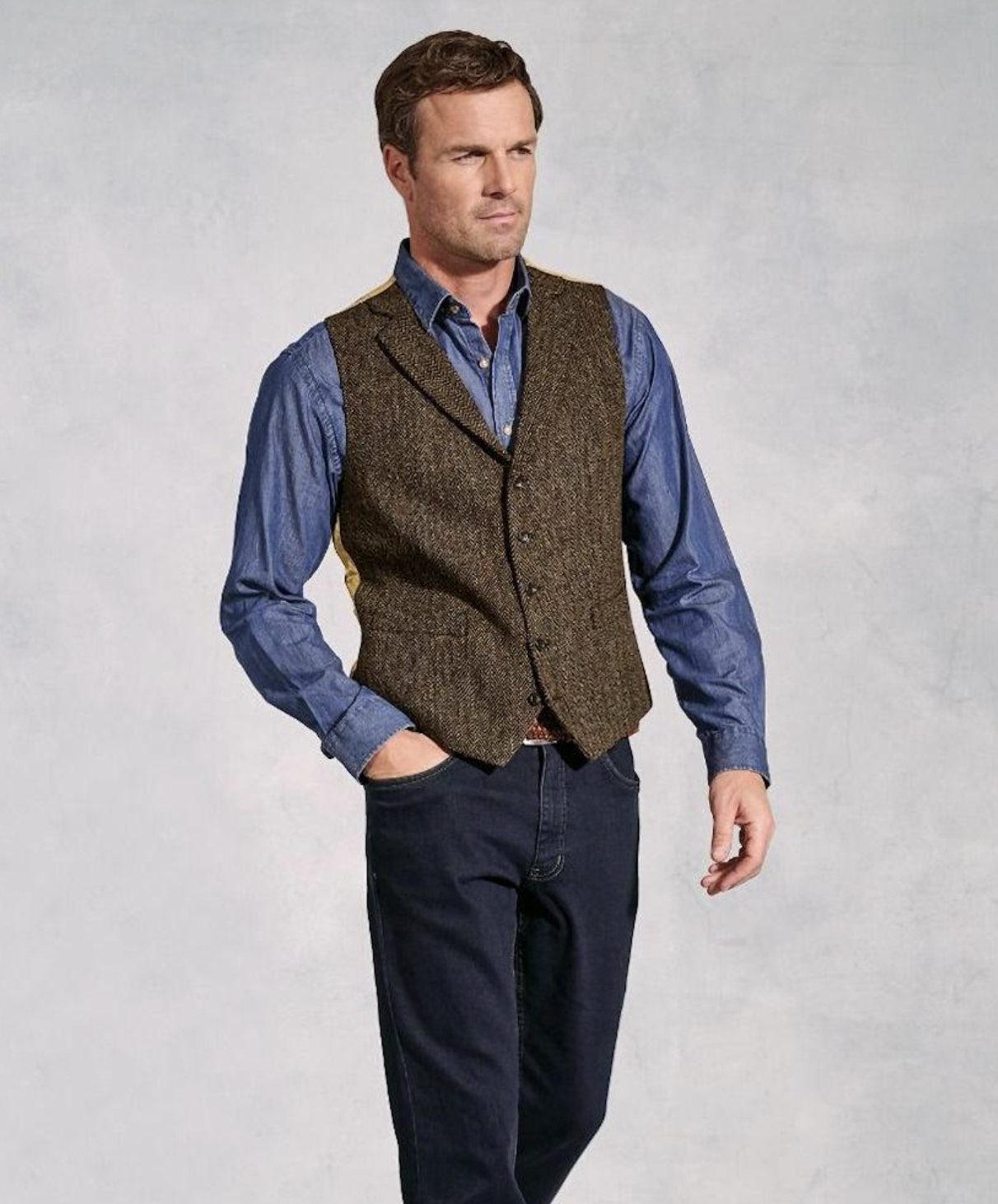
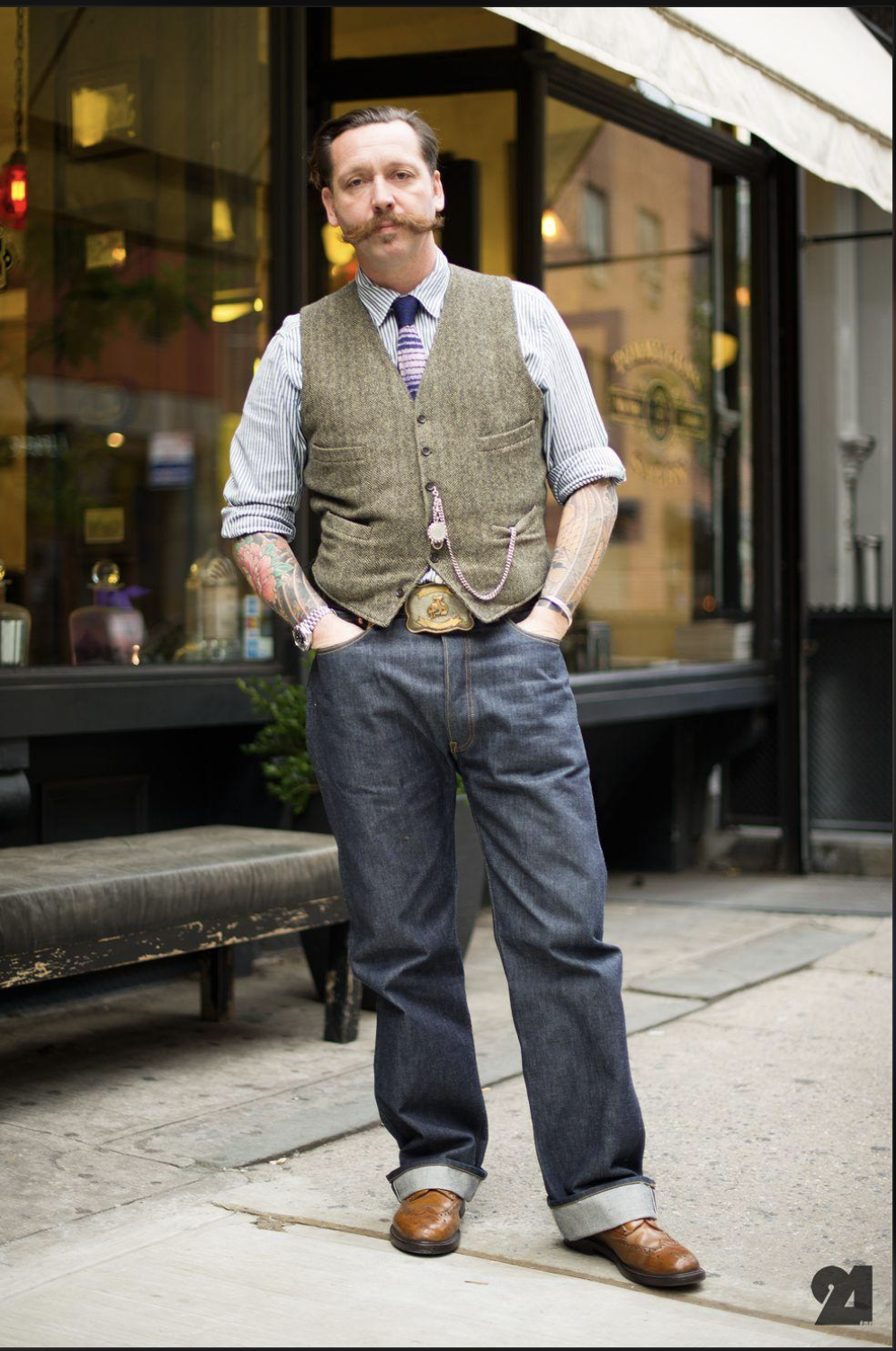
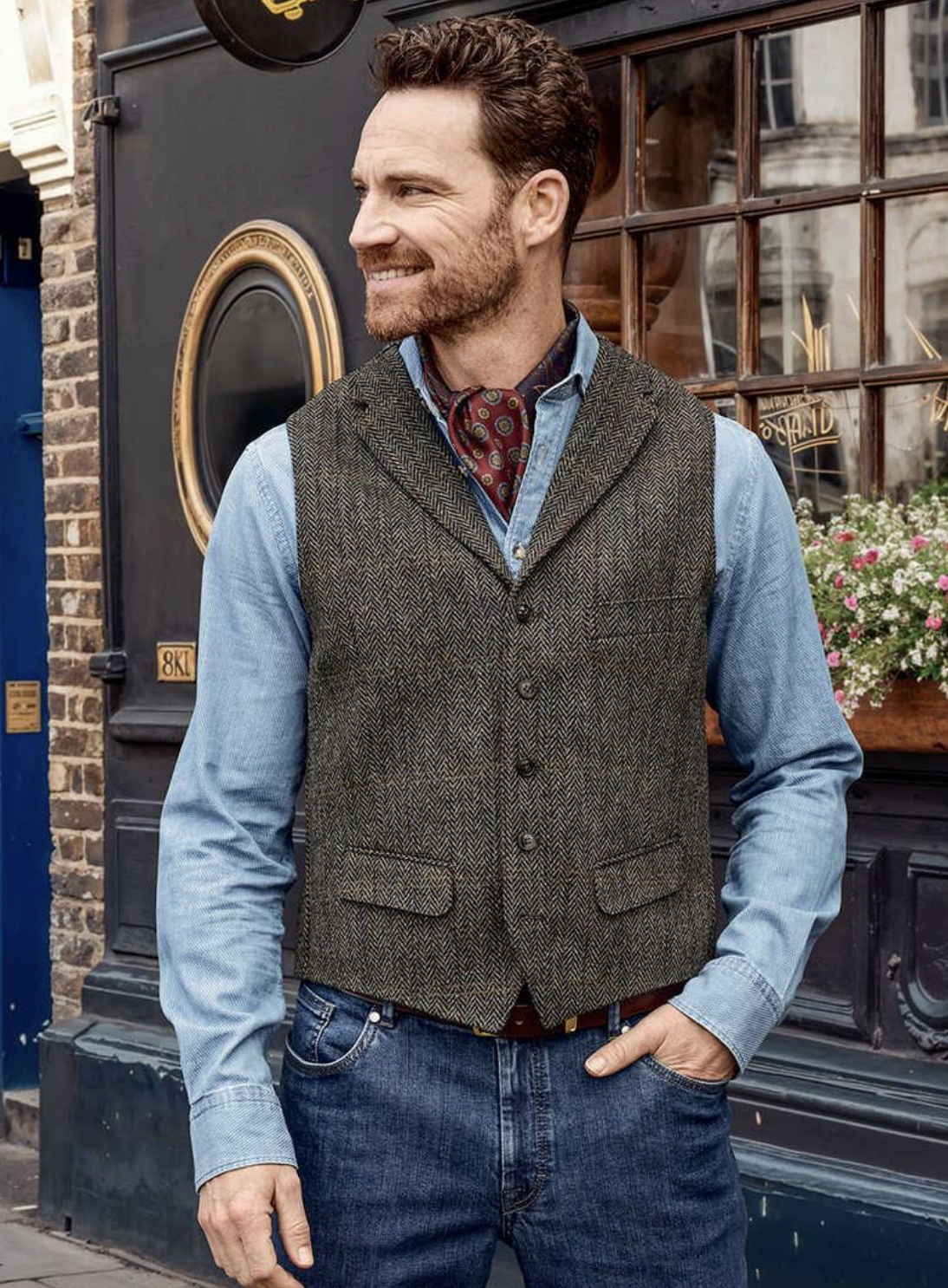
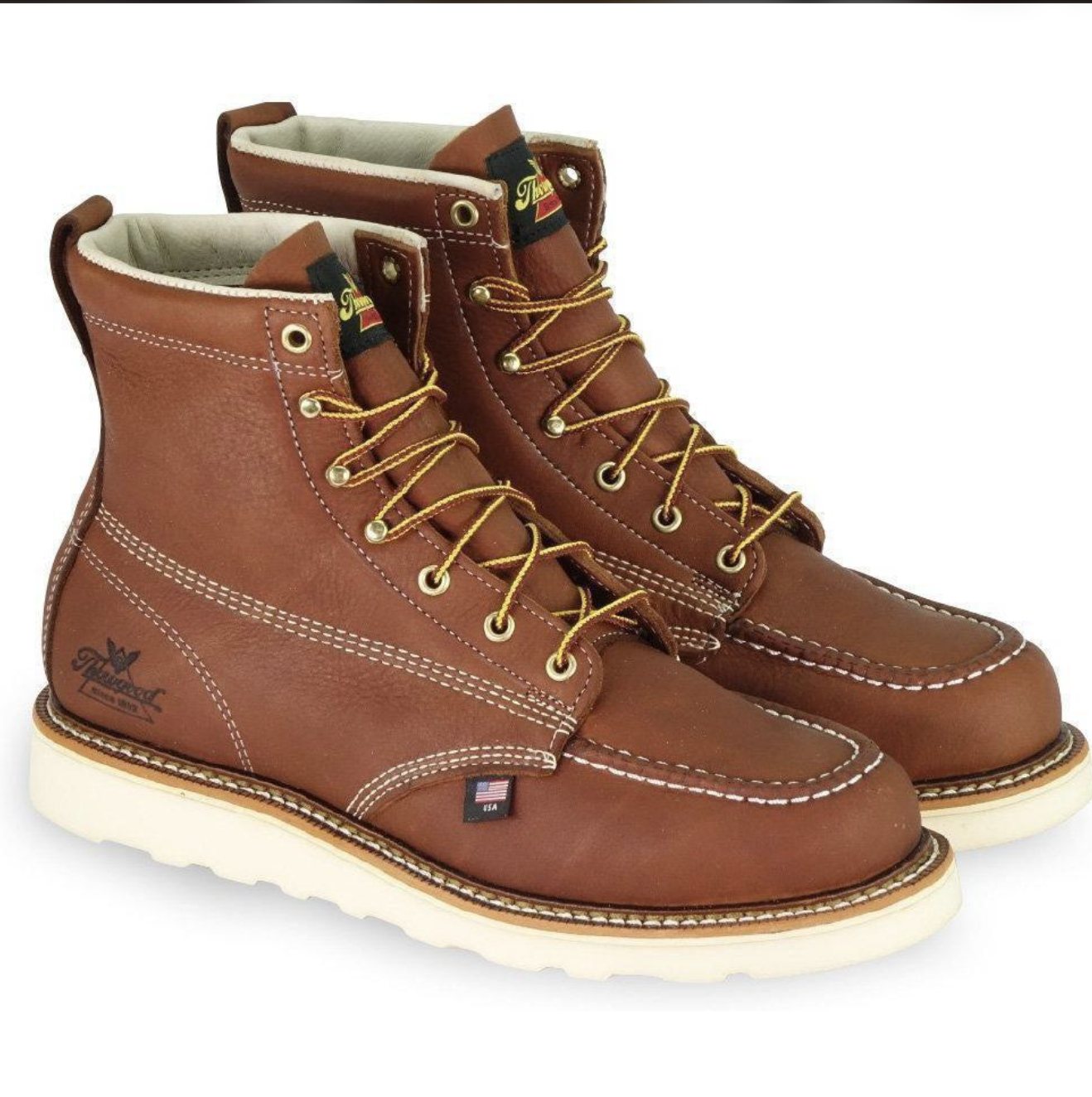
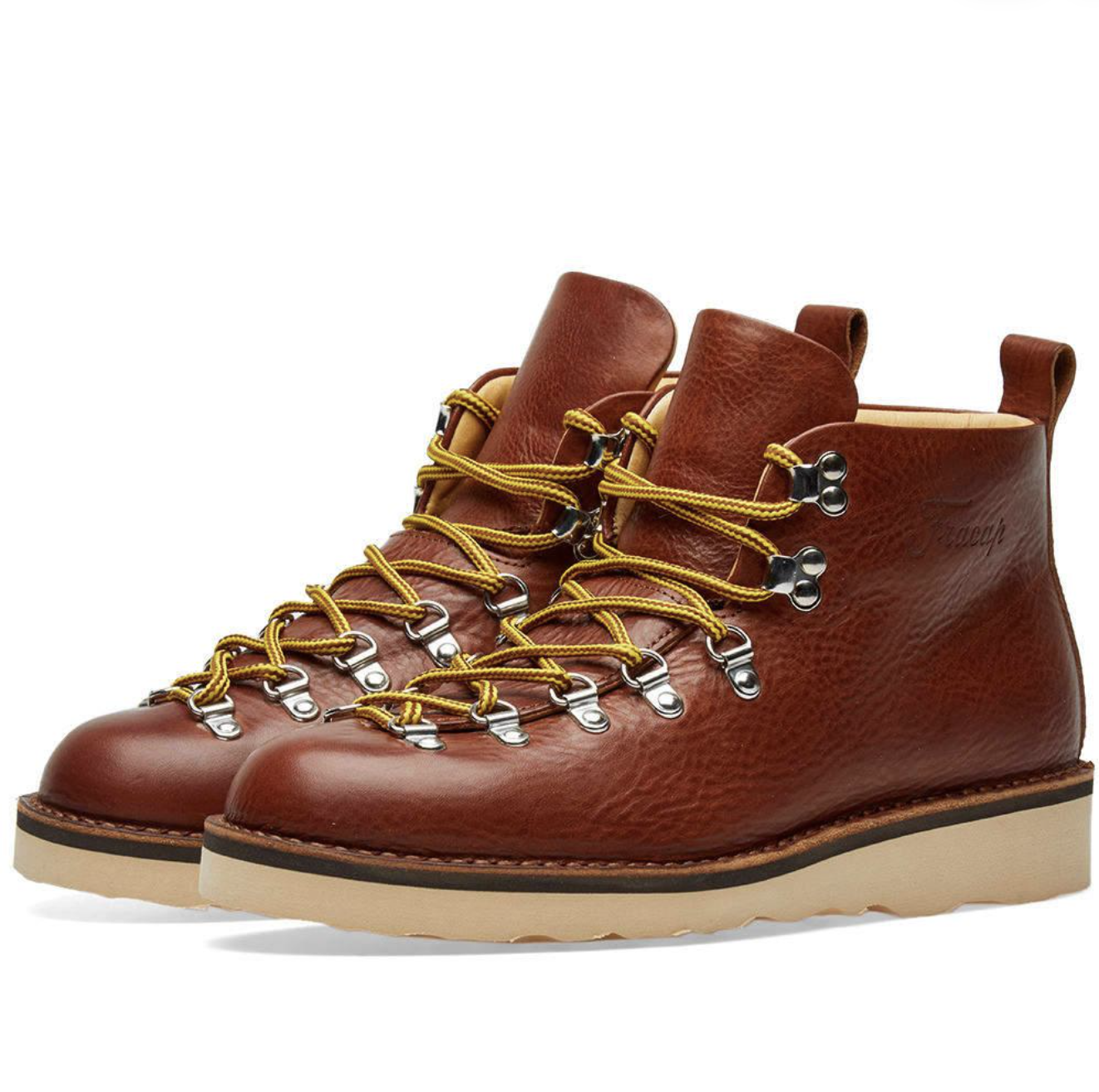
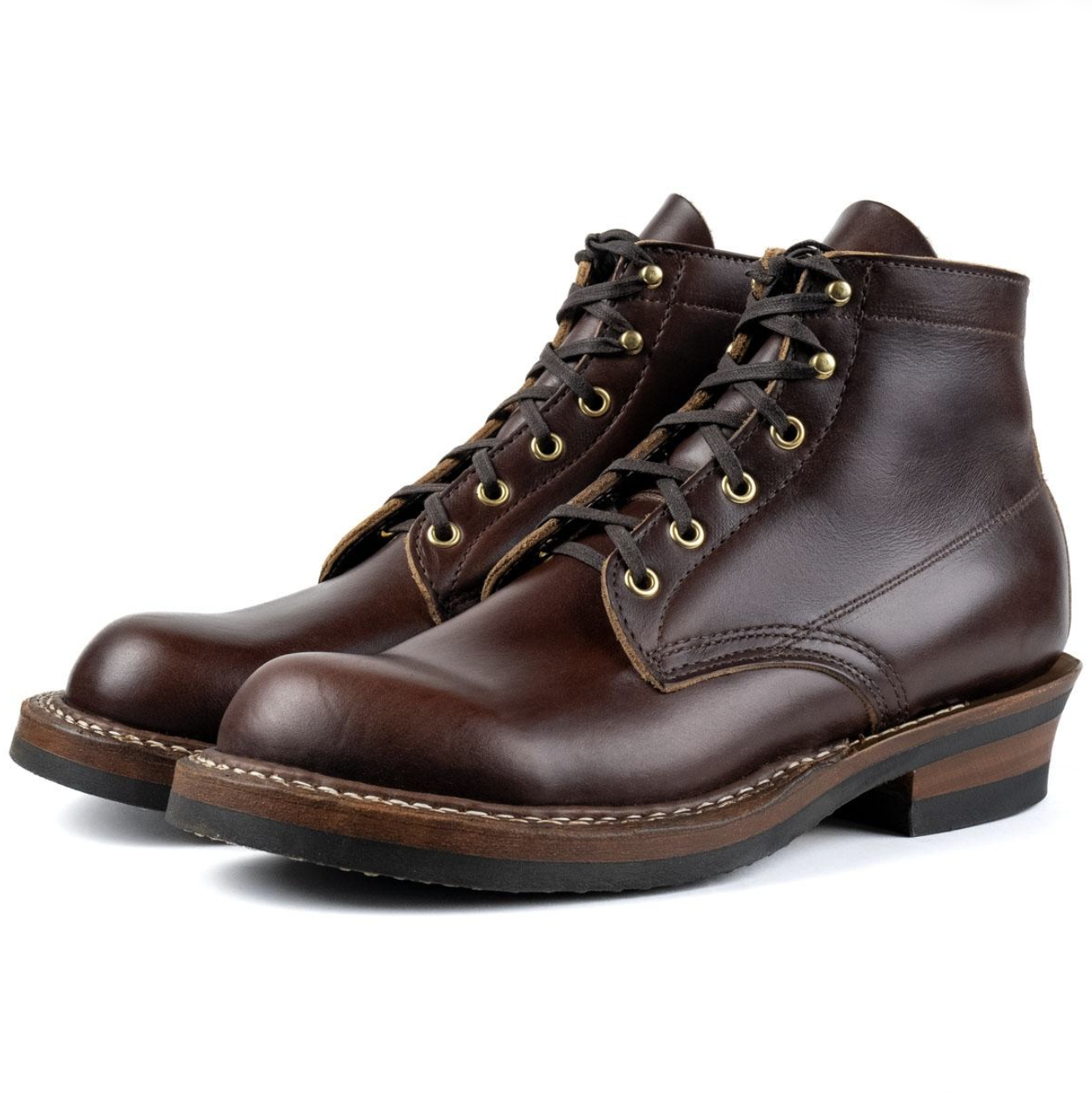
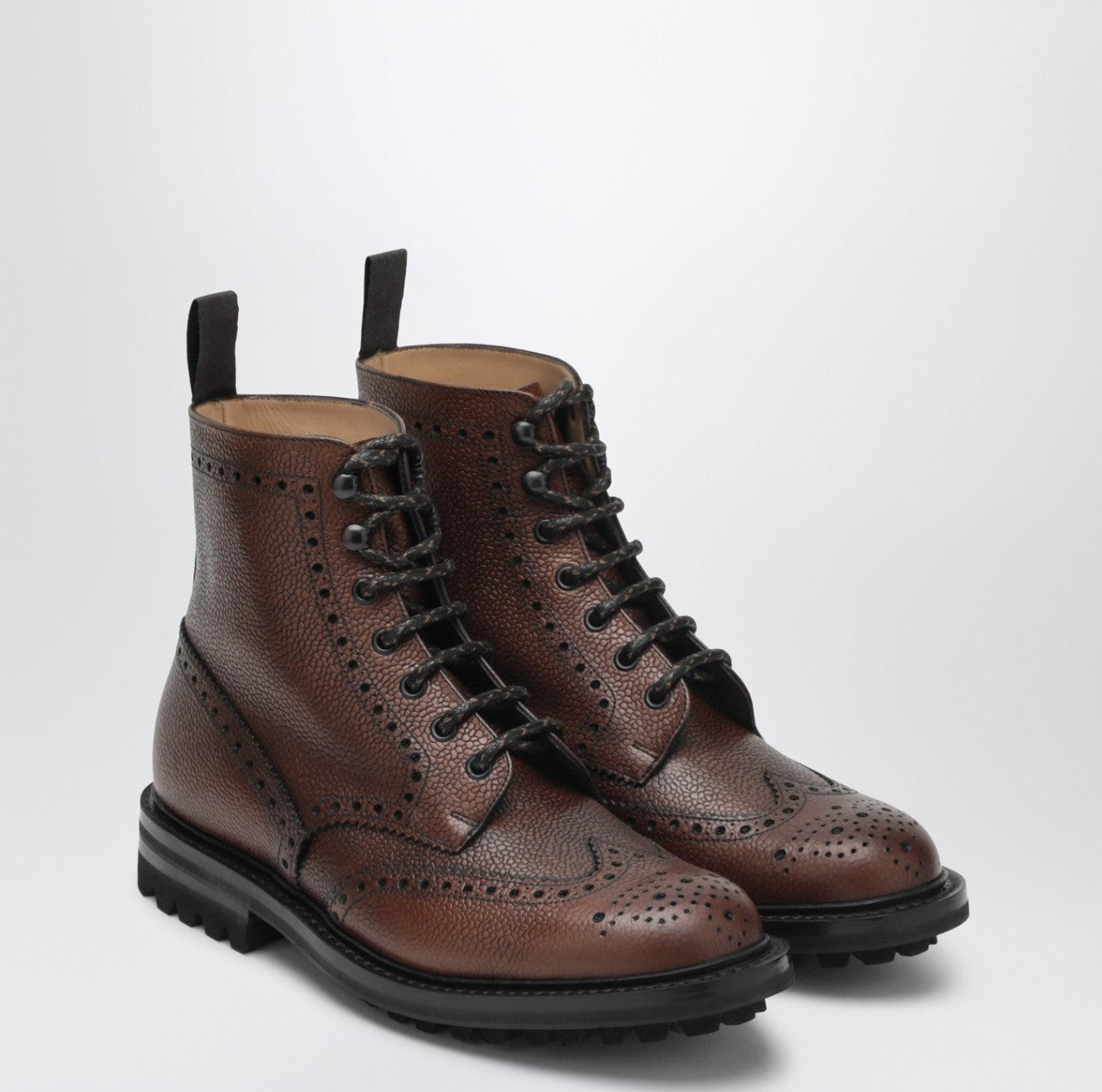
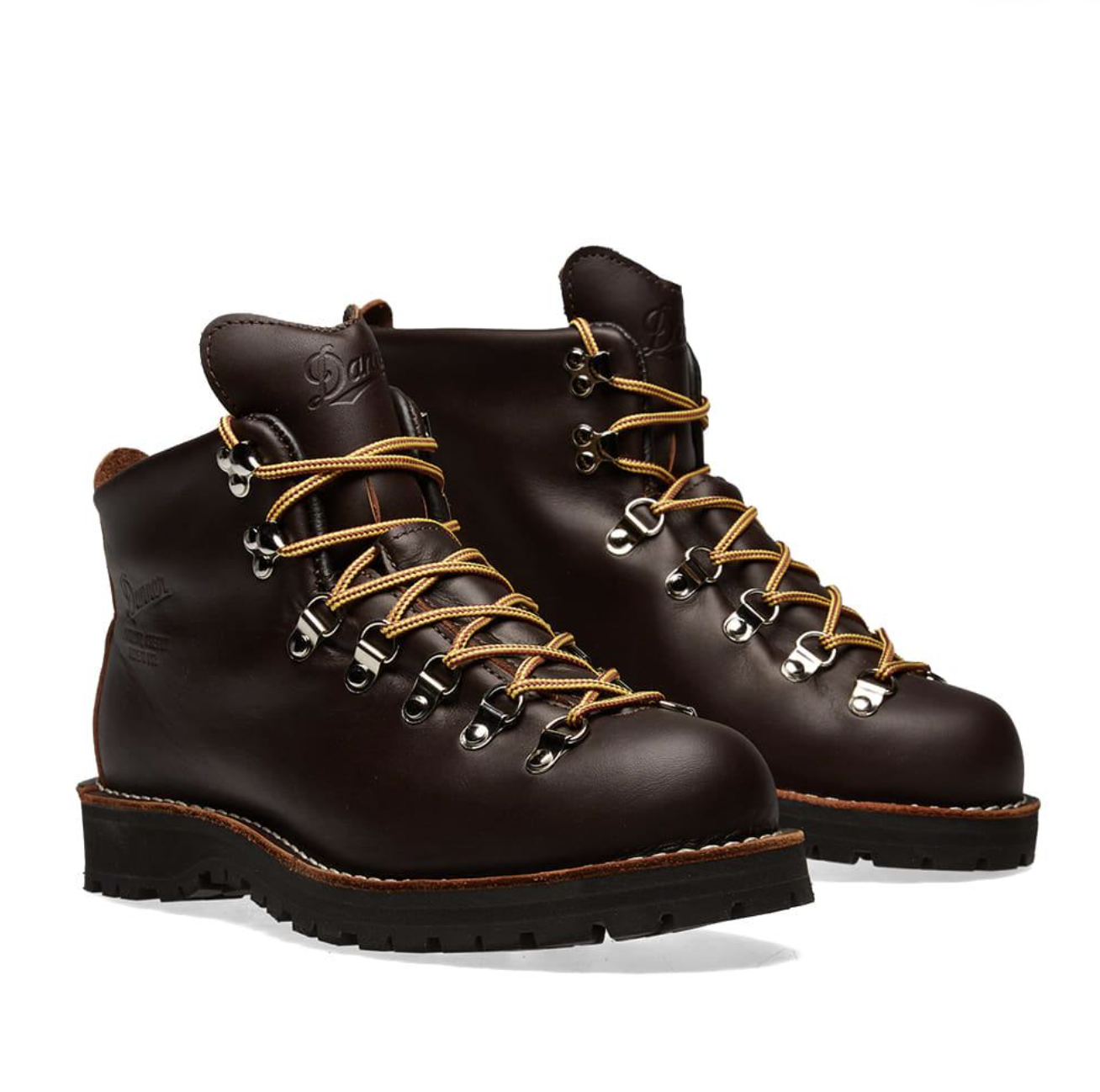
Especially interesting is the convergence of European tailoring and American heritage workwear. A herringbone wool vest in shades of light and dark brown or black and white, worn with a denim shirt, jeans and leather boots, brings a tailored element to a country-inspired outfit. The same applies to tweed jackets, plaid flannel shirts and corduroy trousers.
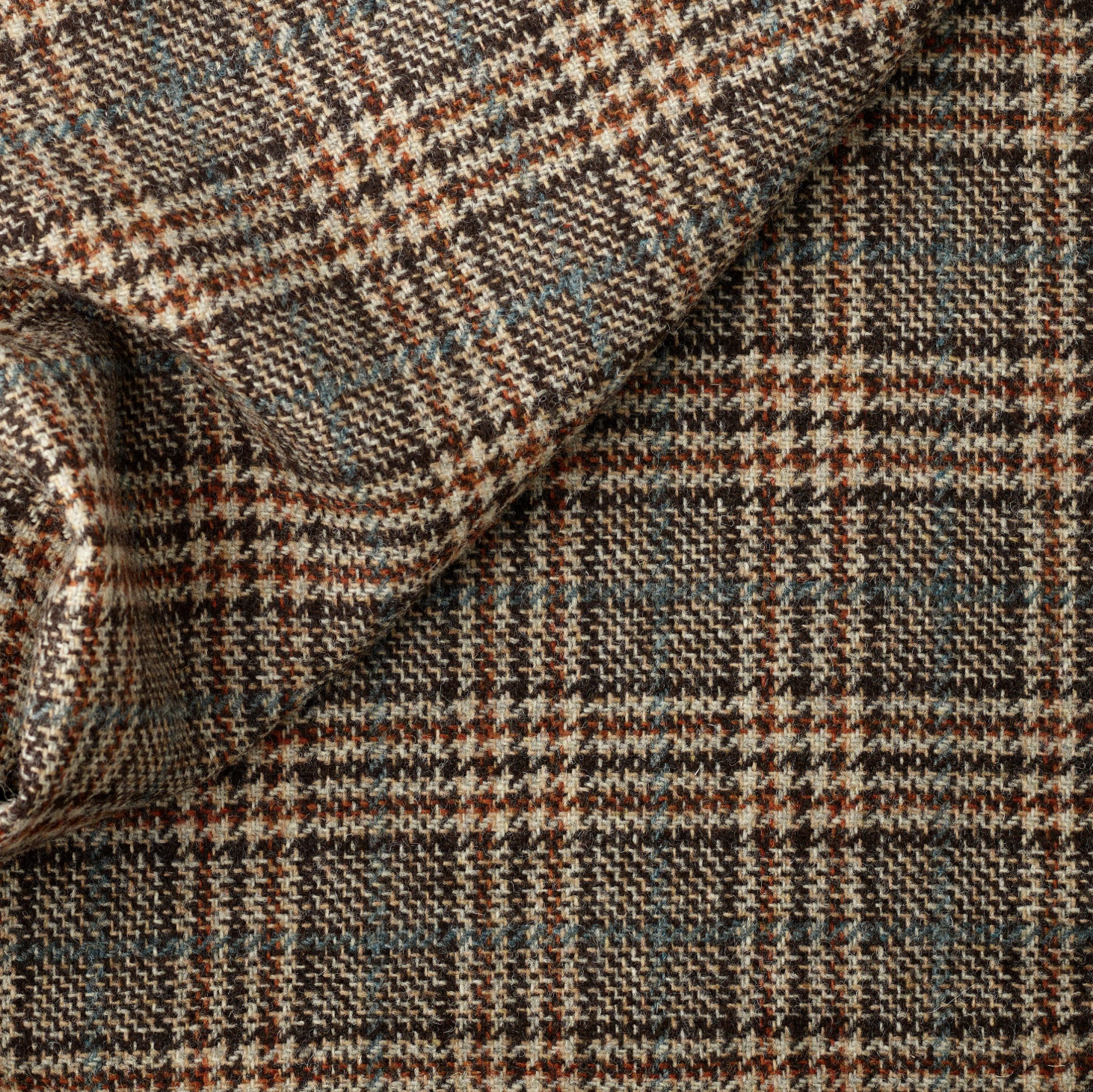
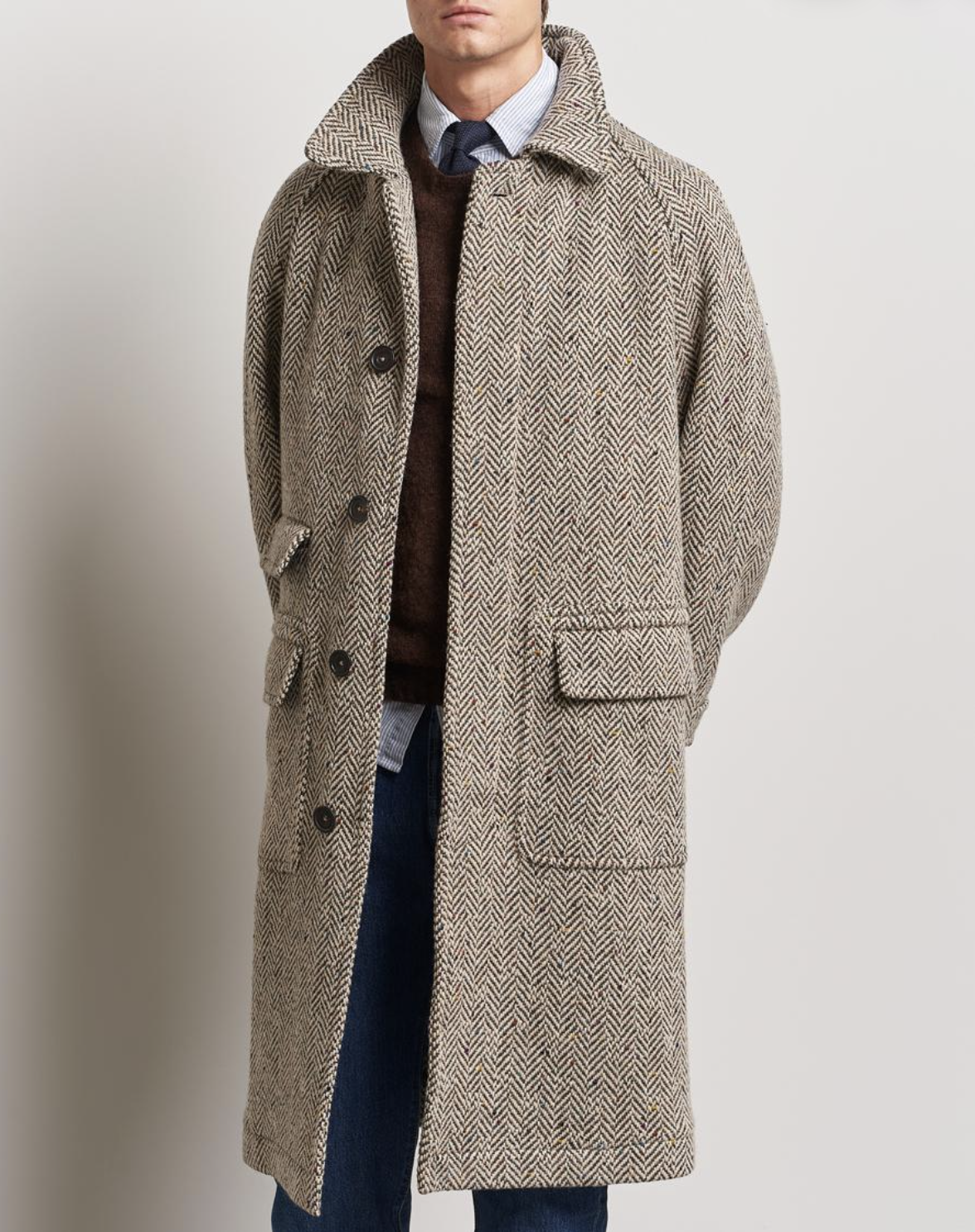
In Neapolitan tailoring, as on London’s Savile Row, the revival of classic patterns opens up different stylistic possibilities. A wool herringbone fabric cut into an unstructured jacket with natural shoulders, broad lapels and patch pockets loses some of its original austerity. Black Watch tartan, Prince of Wales checks and houndstooth are also making a noteworthy return in gray, tobacco and olive green.
Historic wool mills make a fundamental contribution. Vitale Barberis Canonico, Ermenegildo Zegna, Loro Piana and England’s Fox Brothers preserve textile knowledge developed over generations. Woolen flannels, pinstripes, windowpane checks and herringbones are an important part of that manufacturing culture.
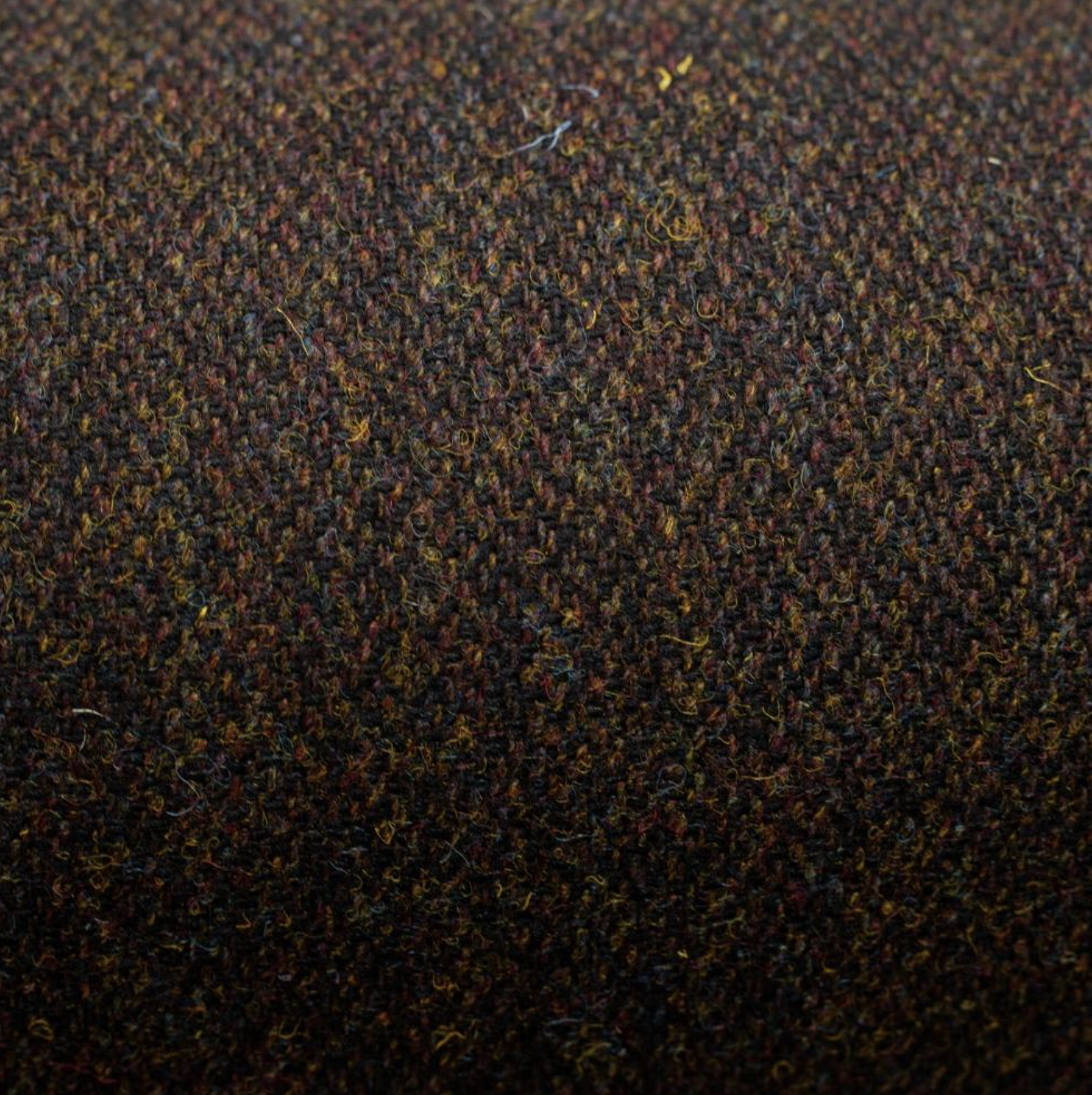
Irish Donegal tweed deserves particular attention. Its most characteristic versions are recognizable by the small flecks of colored yarn scattered irregularly across the surface. Harris Tweed belongs to a different tradition: handwoven in the Outer Hebrides, it is particularly well suited to sport coats and overcoats. Choices of fabric weight, color and handle now allow these textiles to be used in lighter, more informal garment constructions.
The revival of tailoring tradition therefore also comes through freedom of combination. A tartan jacket with corduroy trousers, a Donegal vest with denim, a herringbone raglan coat over a wool turtleneck. Garments from different cultural backgrounds can coexist in the same wardrobe without losing their identity.
GALLERY





Contacts
Brand Strategist | Photographer | Art Director | Project Manager
Alessandro Sicuro Comunication


