
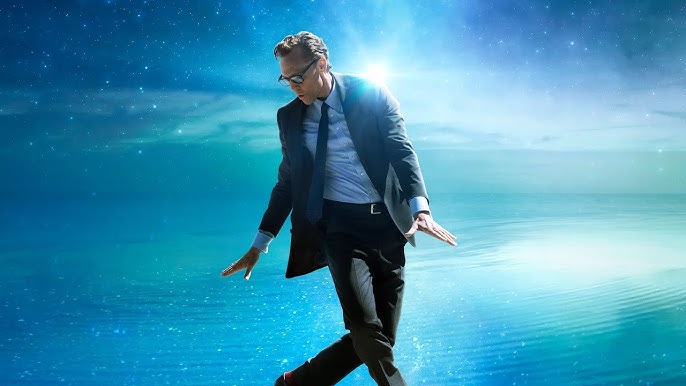
REVIEW — Every person projects a universe around themselves.
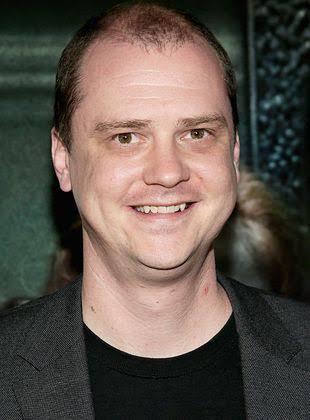
Mike Flanagan, adapting a story by Stephen King, builds a tale that at first seems to be about the end of the world. The internet stops working, reports of disasters arrive and, one by one, the stars disappear from the sky. Meanwhile, Chuck’s face appears on billboards and in television and radio announcements: an ordinary man the audience has yet to meet.
The film moves backwards in three parts. First we see the world approaching its end, then we meet Chuck as an adult, and finally we return to his childhood. Only gradually do we understand how those images are connected to him.
The film introduces its central idea in a classroom scene. Miss Richards reads a few lines by Walt Whitman to her class, but the children are distracted, already thinking about their holidays. Disappointed, the teacher stays behind after the lesson. Chuck notices her sadness, stops to talk and asks what the line “I contain multitudes” means.
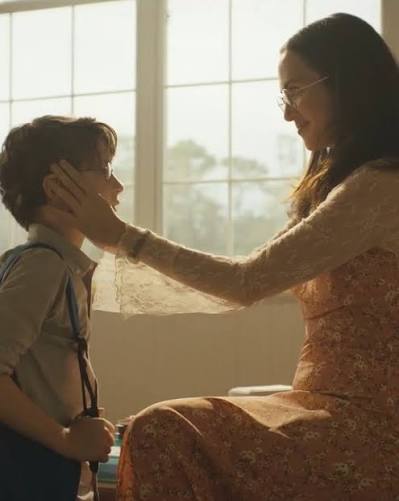
For Whitman, the self cannot be reduced to a single definition: it holds experiences, thoughts and aspects that may differ from one another. Miss Richards gently takes Chuck’s head in her hands and makes the idea tangible. Inside his mind is a world made up of the people he knows, what he sees and everything he has yet to encounter—a world that will grow richer over the years.
This scene leads to my interpretation: the stars disappear one by one because the universe Chuck has created is fading. It is not the cosmos we all share, but the world each of us projects around ourselves through what we live, remember and encounter. When Chuck dies, that world disappears with him.
The locked tower room in the Victorian house gives this idea a concrete form. Chuck’s grandfather forbids him to enter and keeps the key under lock and key. There, the boy will see an image of his own fate. From that moment on, knowing how his life will end could become an endless wait. The room contains a frightening truth, but it does not tell him everything that comes before it: the people he loves, the experiences, the moments of joy. Chuck must choose how to live with that knowledge.
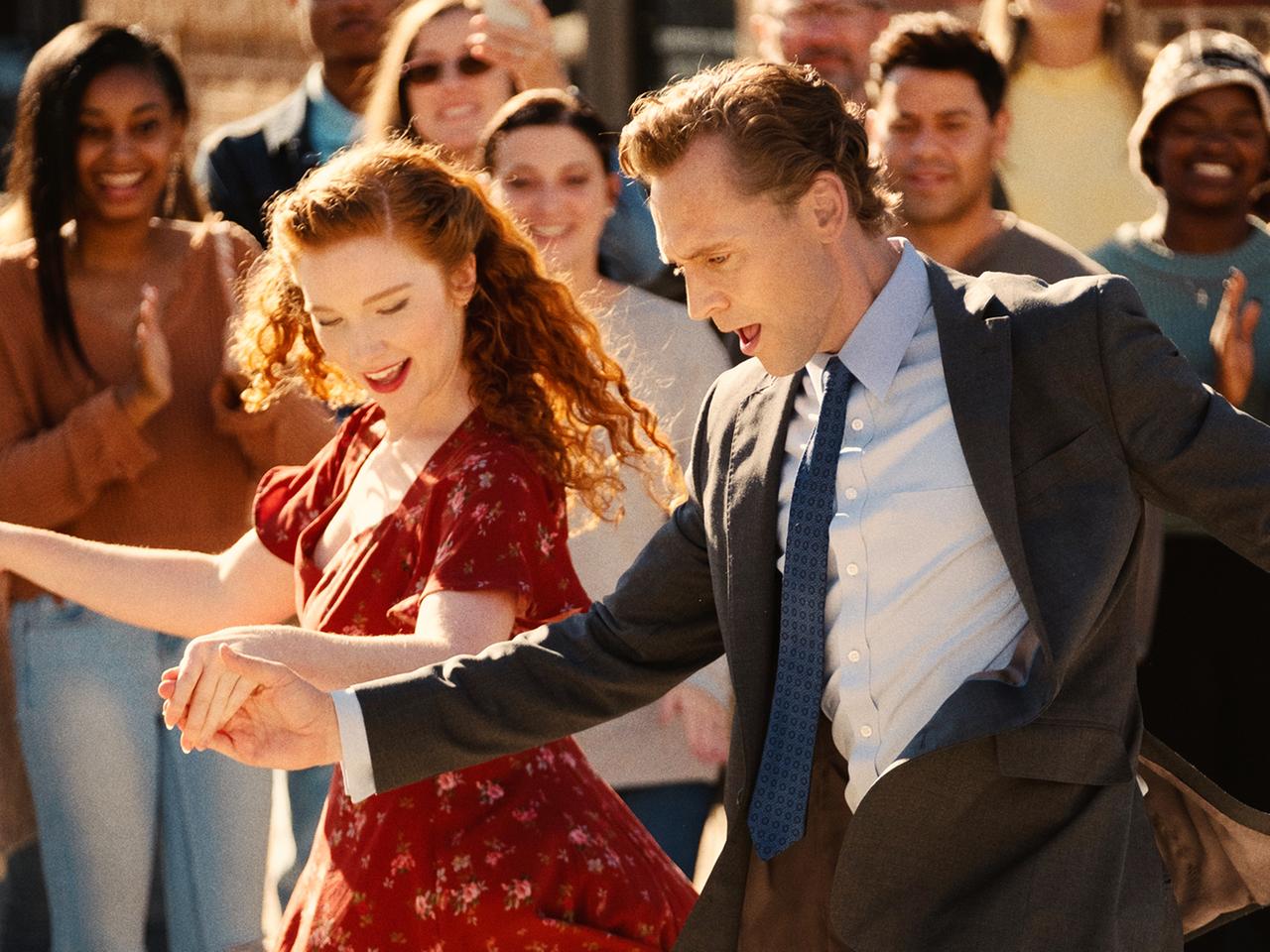
And among the moments that make up his life is dance. As a child, Chuck loves to dance, but he grows up to become an accountant, like his grandfather. The passion has not vanished, though; it remains inside him, beneath an orderly life and other people’s expectations. As an adult, when he hears a drummer playing in the street, Chuck lets go. His dance does not change his fate or erase pain. For a few minutes, however, it gives him back the joy of doing what he loves, without asking whether it is sensible or useful.
Here the film finds one of its loveliest ideas: dreams do not have to become a profession or a promise of success. Sometimes it is enough not to smother them—to let them live on inside us and welcome them when the opportunity comes. Chuck’s dance reminds us that we are more than the work we do or the role others assign us.
The Life of Chuck deliberately leaves some questions open. It never fully explains why the stars go dark or why announcements about Chuck spread everywhere, across billboards, television and radio. In my view, that ambiguity is part of the film’s design: Flanagan offers no single interpretation, leaving the audience room to build its own. The backward structure and enigmatic images can be disorienting the first time; on a second viewing, some details take on a new meaning.
One question keeps working on us after the screening: what is there in our personal universe that other people cannot see? Perhaps a passion set aside, a gesture learned in childhood, a part of ourselves still waiting. The film is uneven, but when Chuck dances it finds a clear, simple answer: that part is still alive.
Contacts


