
It started as a charity and cultural event tied to the Costume Institute at the Metropolitan Museum of Art in New York. Over the years, the Met Gala has become one of the most powerful and photographed social rituals on the planet. A staircase transformed into a global stage. Fashion, celebrity, luxury, communication, and spectacle collide—almost merging into one.
And that’s exactly where an interesting reflection begins.
The relationship between art and fashion has always existed. At its best, it has produced aesthetic research, innovation, vision, cultural identity. Some fashion creations can be considered authentic works of art. Some designers have transformed the language of clothing into something deeply cultural.
The problem arises when any excess—simply because it’s placed in a prestigious context—gets automatically elevated to art.
In recent years, the Met Gala seems to have shifted its center of gravity. Less aesthetic research, more need to shock. Less elegance, more visual exasperation. Less language, more stage construction.
This isn’t about criticizing the people present or creative freedom. Provocation in fashion has always existed. It has often played an important role. But there’s a difference between provocation and depth. Between vision and the simple spectacularization of excess.
Many looks now seem built more to generate media impact than to leave a real aesthetic mark. The risk is that context—the staircase, the flashes, the media narrative, the social ritual—ends up amplifying and legitimizing anything. Regardless of its actual symbolic or artistic value.
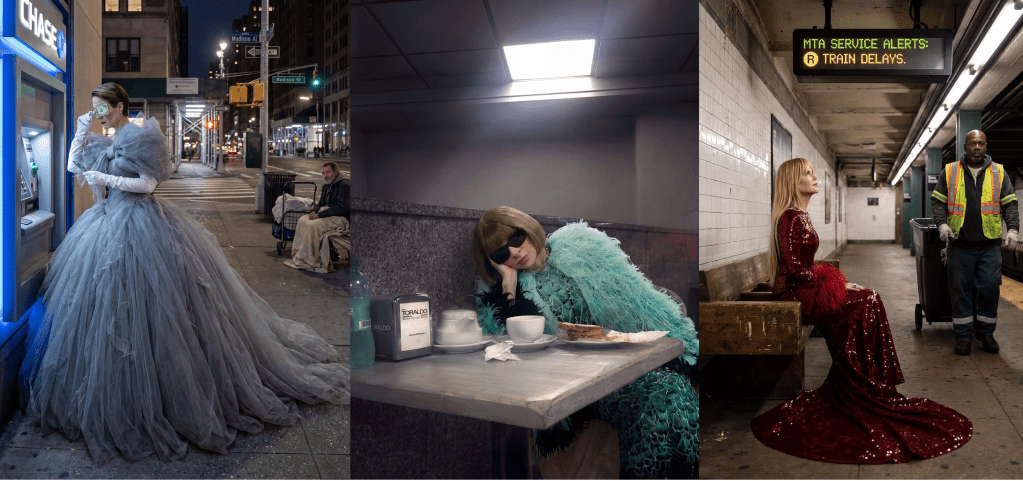
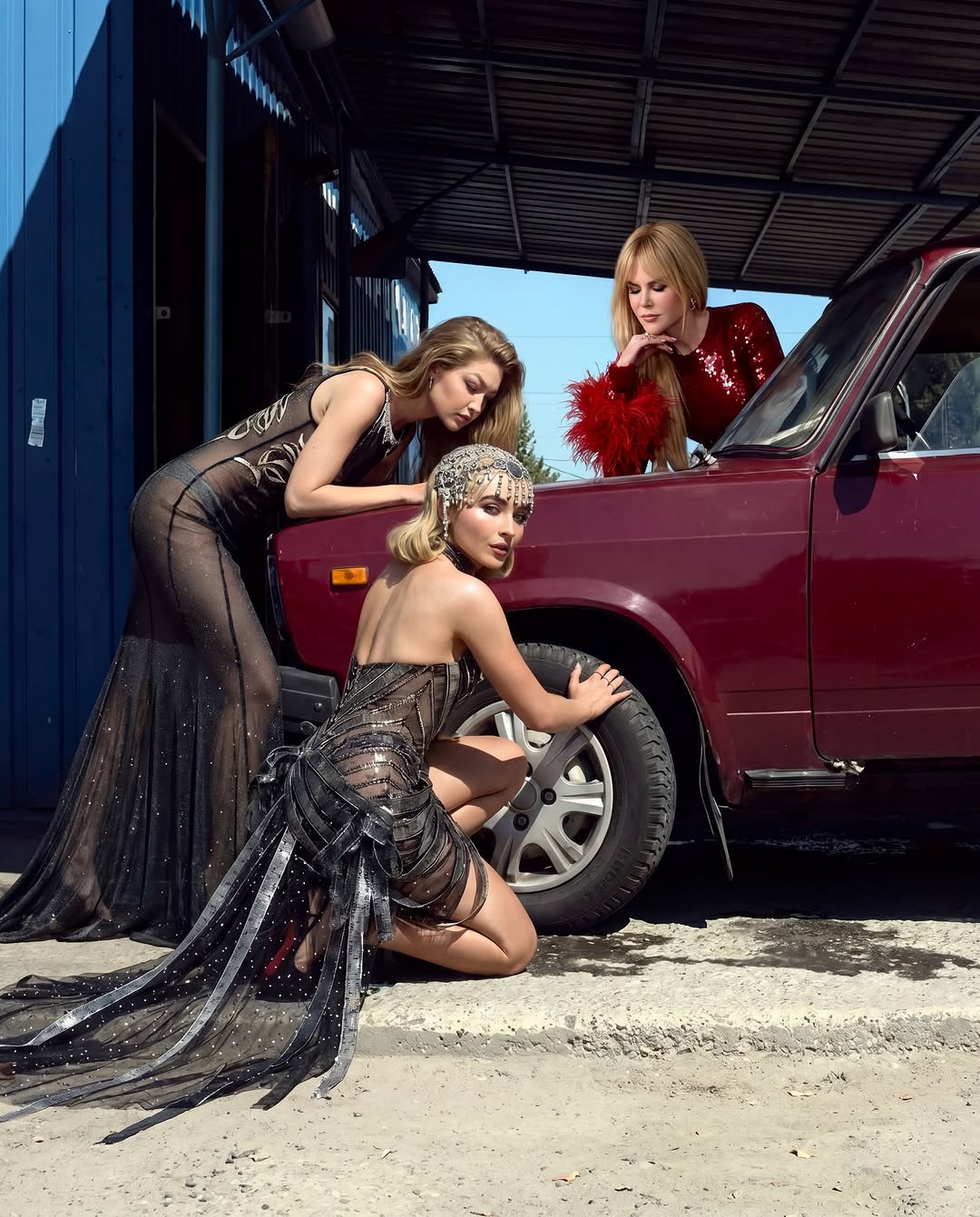
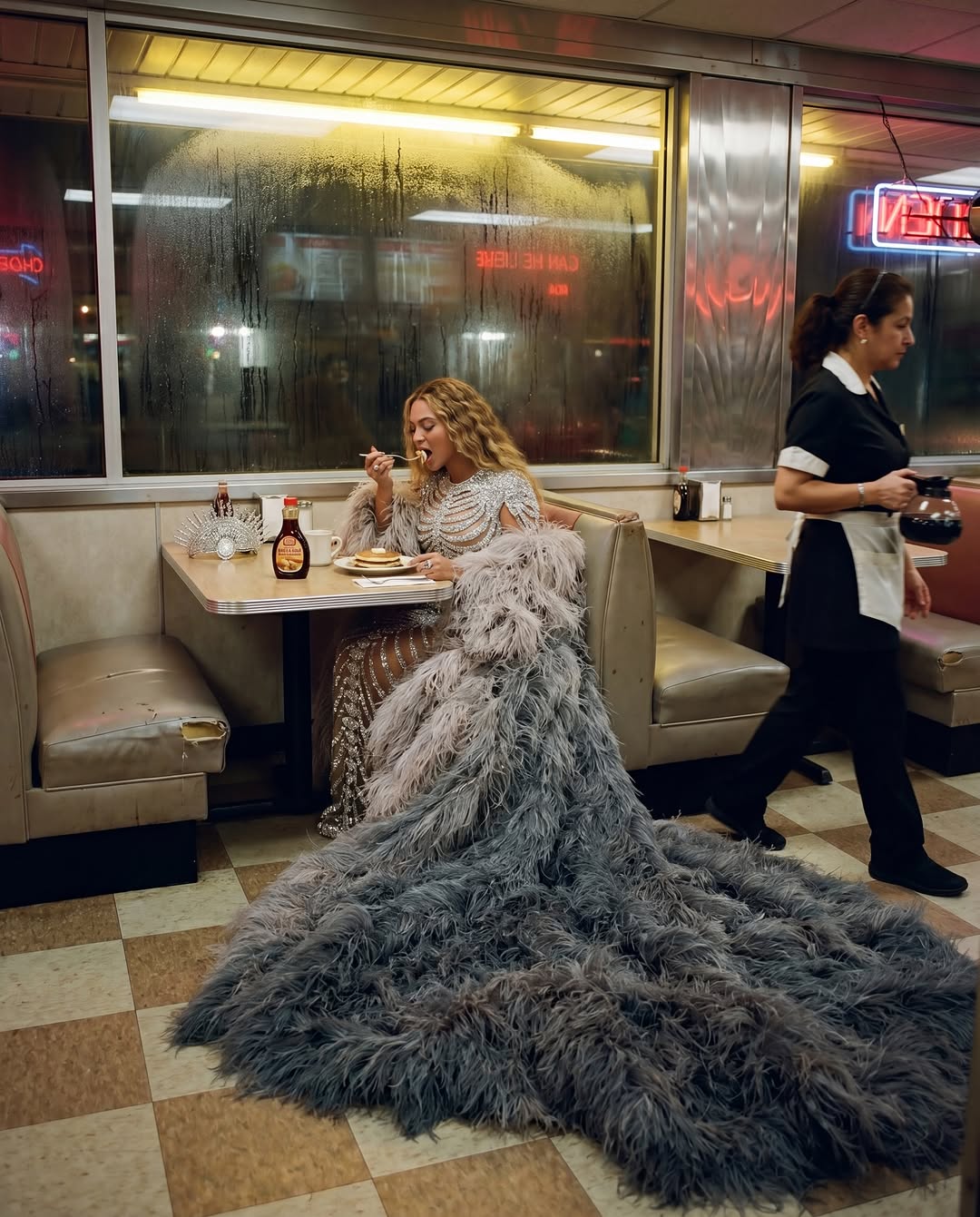
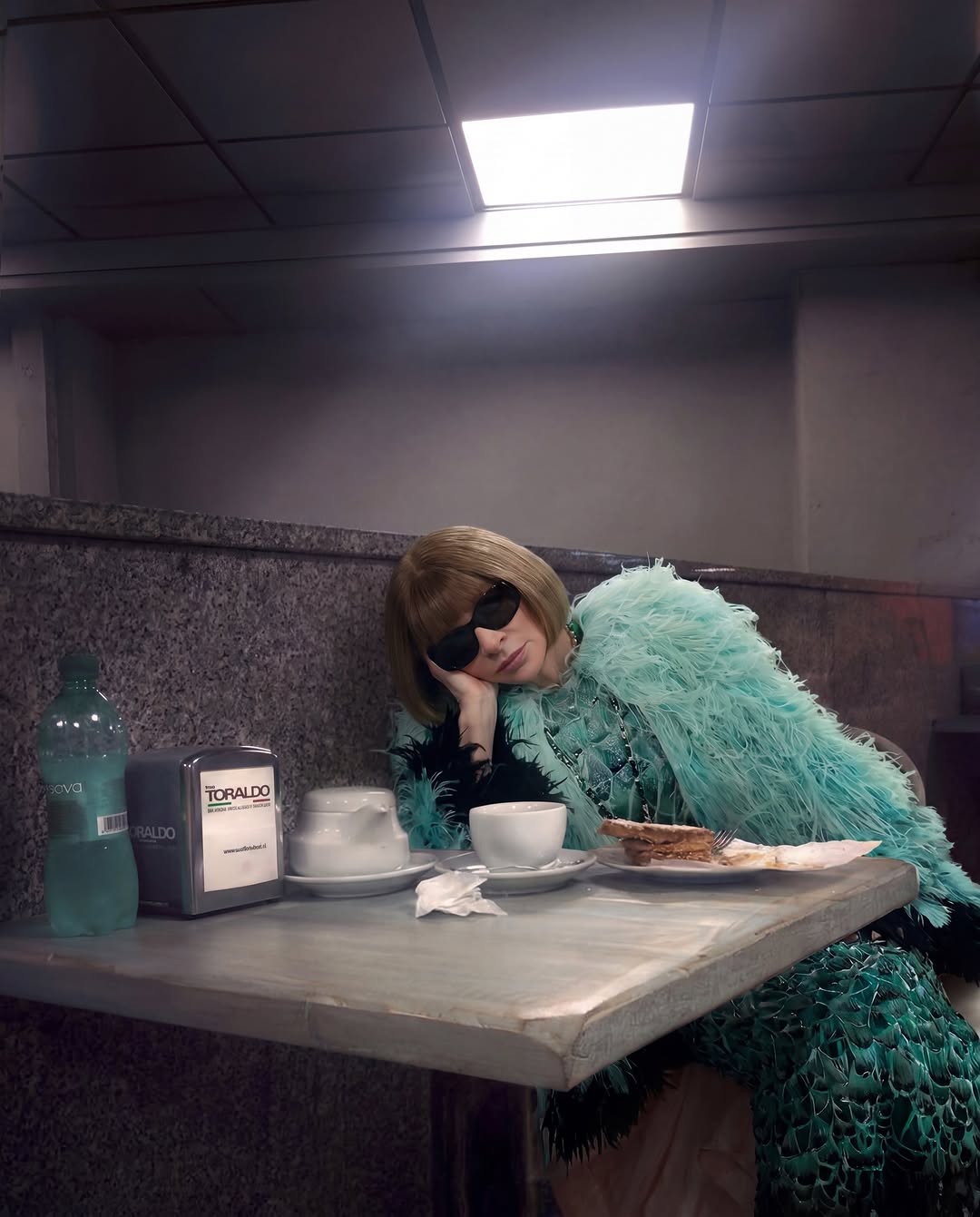
Perhaps that’s why the satirical images created by Gregory Masouras are so compelling. They’ve started circulating online in recent days. Not because they mock the people portrayed. But because they perform a very simple operation: they move that aesthetic outside its natural habitat.
The celebrities. The extreme outfits. The theatricality of the Met Gala. All immersed in ordinary environments: an American diner, a dirty subway car, an ATM, a convenience store, a random street. Suddenly, everything changes.
Not necessarily because the outfits become ugly. But because you realize how much context contributes to building the aura of what we’re looking at.
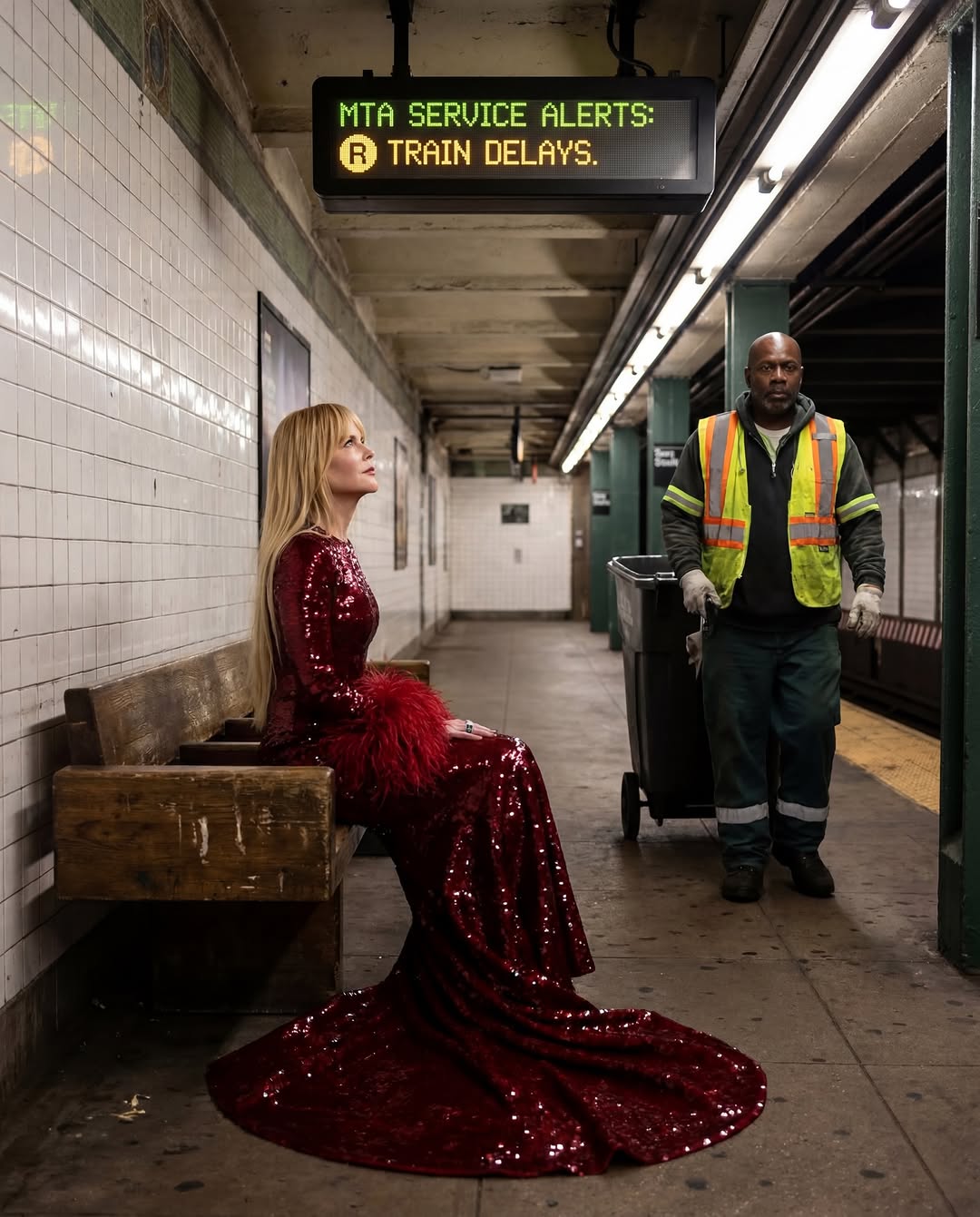
An authentic work often maintains its power and meaning even outside the place that consecrates it. Sometimes it even elevates its surroundings. But when an aesthetic depends entirely on the scenery that amplifies it, there’s a risk. It loses depth. It becomes mostly spectacular construction.
And perhaps this is where one of our time’s most interesting questions opens up: Where does aesthetic research end? And where does the constant need to amaze at any cost begin?
–
Alessandro Sicuro
Brand Strategist | Photographer | Art Director | Project Manager
Alessandro Sicuro Comunication


–
–
–

