
When Salone del Mobile opens, it’s not just a trade show. It’s the activation of a system. A complex ecosystem that starts with design, runs through industry, touches contract, shapes the collective imagination, and generates economic value far beyond Milan-Rho Fairgrounds. It’s one of those moments when Italy quietly shows the world where it stands.
The 64th edition runs April 21-26. The numbers speak for themselves. Exhibition space is completely sold out. Over 1,900 exhibitors are participating. More than a third are international. Net surface area exceeds 169,000 square meters. But reducing Salone to figures would be shortsighted. The real story is that even amid global uncertainty, Milan keeps attracting operators, companies, and investments worldwide. It remains the central hub of contemporary design.
Salone looks ahead by opening to increasingly strategic segments. On one side is contract. Today it’s one of the most compelling levers for Italian companies, especially in markets where traditional retail shows signs of fatigue. On the other is collectible design. Here manufacturing, research, and cultural vision meet. They create objects that go beyond function and embrace long-term value.
The return of the Biennials—EuroCucina with FTK and the International Bathroom Exhibition—puts two key living spaces back in the spotlight. Meanwhile, SaloneSatellite continues its essential role as an observatory for young talent. It connects new generations of designers with international schools. This is where the Italian system’s ability to innovate without losing identity is measured.
Despite the complex environment, signals from the wood-furniture supply chain show resilience. The sector closes 2025 with production revenue exceeding 52 billion euros. That’s slight growth over the previous year. It’s not yet a structural recovery. But it’s concrete resilience, driven mainly by the domestic market and strong export orientation. About 68% of production from Salone exhibitors goes to foreign markets. That figure exceeds European averages and says a lot about Made in Italy competitiveness.
This is the context for Salone Contract. It’s a new project that will take shape progressively through 2027. It involves figures like Rem Koolhaas and OMA studio. The message is clear. Salone doesn’t just capture the present. It builds platforms for the future. The same applies to Salone Raritas. Dedicated to collectible design, it features limited editions, unique pieces, and high craftsmanship. It creates an atlas connecting past, present, and vision.
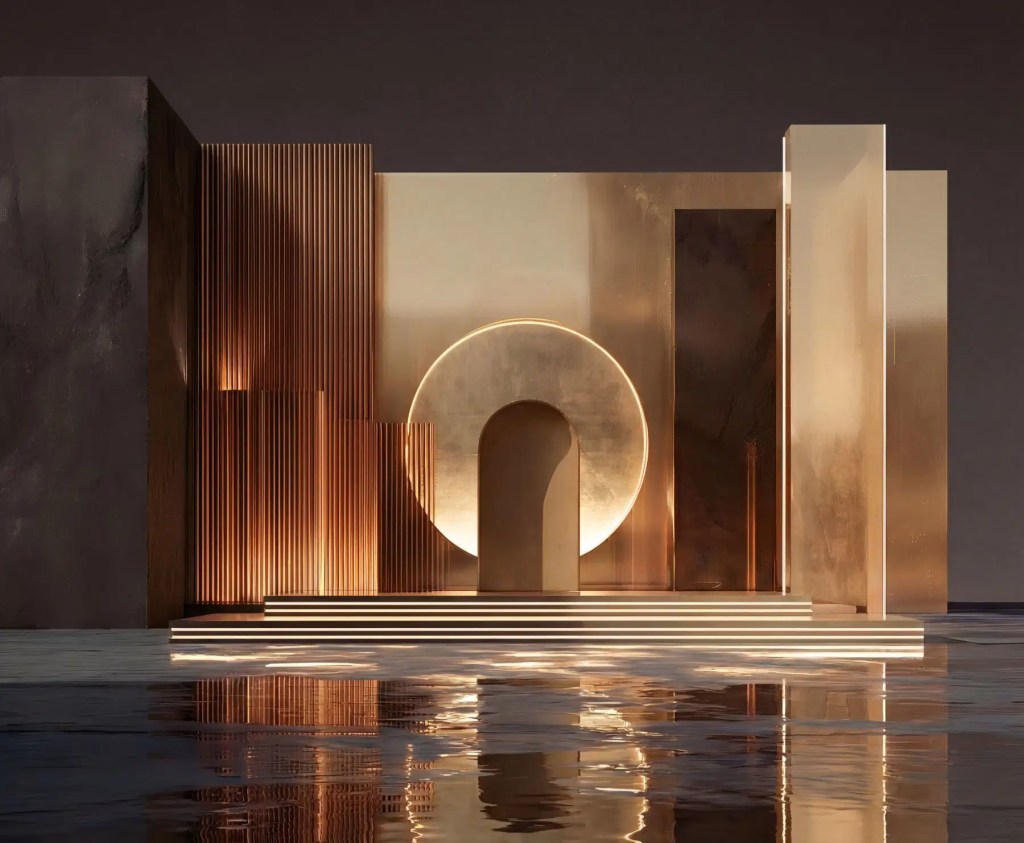
Beyond the industrial dimension, cultural storytelling remains central. Installations like A Luxury Way and Aurea, an Architectural Fiction highlight Italy’s unique ability to create timeless objects. These pieces exist between function, craftsmanship, and narrative. It’s a luxury that doesn’t shout. It builds meaning.
Salone del Mobile remains one of Italy’s last true great assets. Perhaps it’s the only one—alongside fashion—capable of generating economic value, cultural influence, and international reputation simultaneously. Much of what happens in the following months starts here. In markets, projects, and cities. It’s not just a trade show. It’s a barometer. And once again, it shows that Italian excellence, when structured and credible, is far from a memory of the past.
–
MM
–
–
 Sure-com America