
–
There’s a simple gesture, almost disarming in its modesty, that many geniuses used on evenings when they wanted to capture the images of their dreams before they faded. An ancient and surprisingly effective trick for capturing dream details and transforming them into actionable ideas, without letting them dissolve in the darkness of waking.
The technique was this: you let yourself drift off to sleep by holding a spoon, a key, or any small metal object between your fingers. As your body began to relax and your grip loosened, the object would fall to the floor with a sharp sound. That sudden impact instantly brought you back to wakefulness, precisely at the point where your mind was still immersed in the first hypnagogic images.
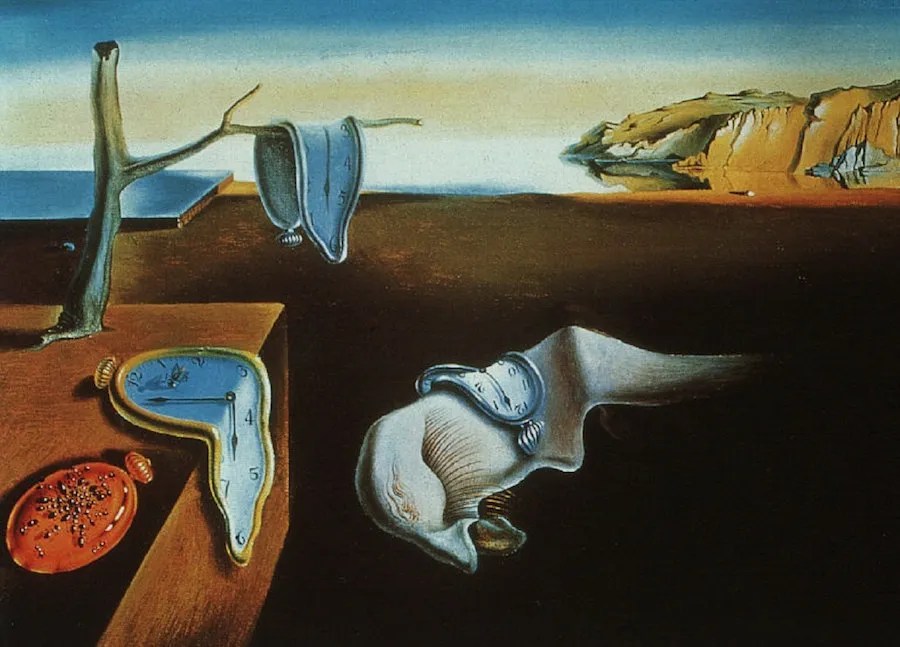
Some of the greatest innovators of all time—from Dalí to Edison to Einstein—used this little trick to quickly enter and exit that liminal zone . There, in the fraction of a second when dreaming is not yet dreaming and waking is no longer waking, they glimpsed forms, insights, concepts that were more valuable than any ordinary work session.
Science today gives a precise name to that territory: phase N1 , the hypnagogic state . A mental area in which logical control weakens and the brain allows for new, free, unpredictable combinations. It is a natural laboratory, free of filters, where ideas are composed with a freshness that we rarely find in full wakefulness. But it lasts very little: a few seconds, sometimes less. And what is born there evaporates almost immediately.
This is why geniuses immediately wrote down what they saw in that suspended moment. The sound of metal on the floor wasn’t a disturbance; it was the switch that transformed a dreamlike flash into a concrete idea. A minimal technique, but one capable of opening doors that rational thought alone cannot.
An elegant and almost philosophical reminder: creativity isn’t just effort, method, or discipline. Sometimes it’s a tiny gesture, calibrated down to the millimeter, that allows us to reach the exact point where the subconscious offers its best.
–
–
–
Alessandro Sicuro
Brand Strategist | Photographer | Art Director | Project Manager
Alessandro Sicuro Comunication


 Sure-com America