
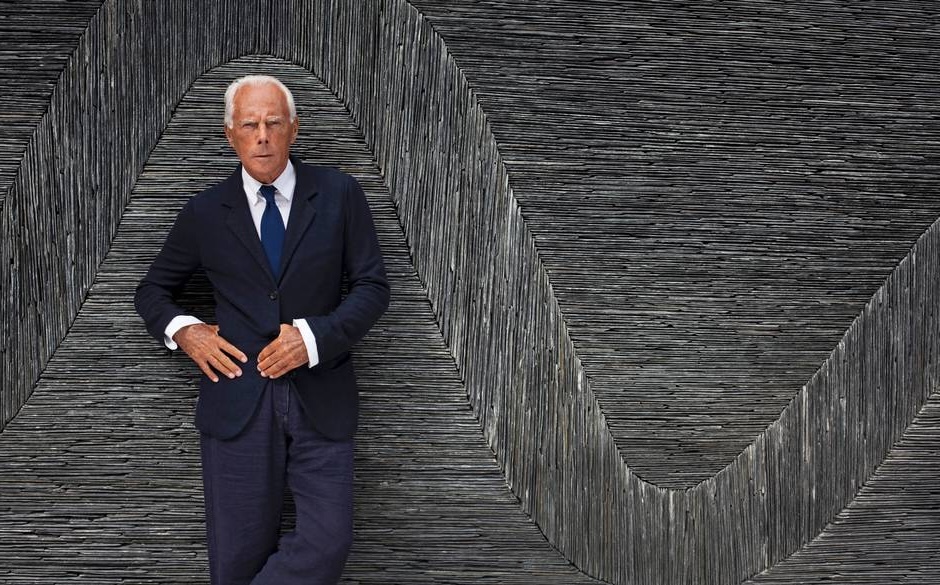
The first question after Giorgio Armani’s passing is inevitable: what will happen to his fashion house without its founder? The answer is already written into the bylaws. Armani turned his wishes into binding rules, built into the company’s DNA. No relocation abroad: Article 2 requires that the headquarters remain in Italy, and any transfer is allowed only within national borders. It reads like a clear message left in black and white: “Do not take the company abroad.”
This clause is reinforced by an almost insurmountable safeguard: any amendment would require a 75% majority of shareholders in an extraordinary meeting. Such a threshold makes it virtually impossible to dismantle the system designed by the founder.
Continuity will be protected by a dual structure. On one side, the Giorgio Armani Foundation, which holds only a minimal stake but enjoys special governance powers. On the other, a framework of six share classes with differentiated voting rights, designed to preserve the founder’s original vision and prevent the company from losing its identity.
But this is not just a legal safeguard. It is the embodiment of an ethic that Armani practiced throughout his life: creating jobs, standing by his country in difficult times — such as during Covid, when he gave meaningful support — and carrying the value of Made in Italy worldwide. His philosophy was always an alternative to speculative shortcuts: no break-ups, no offshoring, no sacrificing people or heritage. Instead, the focus was on building, consolidating, and generating value with method and foresight.
Giorgio Armani’s wishes are crystal clear: to remain Italian, to remain independent, to remain consistent with a business style that blends aesthetics with responsibility. This is not merely a private testament, but a legal framework that binds the future to the very essence of the brand. A commitment that outlives its founder, a guarantee for the people who work there and for a country that recognizes itself in that name.
Disclaimer
These articles are based on the analysis of news and reports published by official agencies and open sources, verified online. Their sole purpose is to inform and provide readers with a clearer understanding of corporate dynamics. They do not constitute legal advice or an invitation to make specific corporate decisions; responsibility for any interpretation rests with the reader.
Alessandro Sicuro
Brand Strategist | Photographer | Art Director | Project Manager
Alessandro Sicuro Comunication


 Sure-com America